Tuesday, July 22, 2025

Why Use Spring Water for Coffee: Enhance Flavor Naturally

Imagine waking up to the rich aroma of freshly brewed coffee, the comforting warmth in your hands, and the first sip that jumpstarts your day. But what if the key to perfecting this daily ritual lies not in the coffee beans or the brewing method, but in the water you use?

You may not realize it, but water makes up about 98% of your cup of coffee. This simple fact leads us to a question that could transform your morning experience: why use spring water for coffee? By understanding this, you can elevate your coffee game to new heights.

Spring water is more than just a liquid; it’s the secret ingredient that can enhance the flavor profile of your coffee. It's naturally balanced with minerals that bring out the best in your brew, offering a smoother, more vibrant taste. Imagine enjoying a cup that’s not only satisfying but also bursting with nuances and subtleties you've never noticed before. This is the promise that spring water holds for your coffee. Curious about how this simple change can make such a big difference? You're not alone. Dive into the rest of this article to discover how using spring water can revolutionize your coffee experience, making each cup not simply good, but exceptional. Great Water Here.

Importance Of Water In Coffee Brewing

Brewing coffee is an art that involves careful selection of ingredients. Among these, water plays a crucial role. You might wonder why something so simple could matter so much. The truth is, the quality of water can drastically affect the taste and aroma of your coffee.

Imagine brewing your favorite coffee with tap water. It might taste flat or even unpleasant. That's because tap water often contains impurities and chlorine. These unwanted elements can mask the delicate flavors of your coffee. On the other hand, using spring water can make a significant difference. Let's explore why.

Why Water Quality Matters

Your coffee is 98% water. Think about that for a moment. The water you use is nearly the entire cup. So, it's not just a side ingredient; it's the foundation of your brew. High-quality water can highlight the coffee's unique flavors. It enhances the aroma, making each sip a delightful experience.

Consider the minerals in spring water. They can add subtle nuances to your coffee. These minerals balance acidity and sweetness, creating a harmonious taste. Without them, your coffee might taste dull and unexciting. High Quality Here!

Impact On Flavor Profile

Have you ever brewed coffee that tasted bitter or sour? It might not be the beans' fault. Often, it's the water you use. Spring water is typically free from contaminants that can alter the flavor. It allows the true character of your coffee to shine.

Picture this: you brew a cup with spring water, and suddenly, you notice hints of chocolate and berries. That's the magic of using good water. It brings out the coffee's natural notes, making each sip a discovery.

Consistency In Brewing

If you're a coffee enthusiast, you know the importance of consistency. You want each cup to taste just as good as the last. Using spring water can help achieve this. It offers a stable mineral content, ensuring your coffee tastes great every time.

Ever had coffee that tasted different from one day to the next? That inconsistency could be due to varying water quality. With spring water, you eliminate this variable, allowing your coffee's true flavors to consistently impress.

Environmental Considerations

When you choose spring water, you're also making an environmentally conscious choice. Many spring water brands focus on sustainable sourcing. This means less impact on the planet. It's a small step towards better coffee and a better world. GO HERE!

Think about this: by using spring water, you're supporting eco-friendly practices. It's a way to enjoy your coffee while caring for the environment. Isn't that a win-win?

So, next time you brew coffee, consider the water you use. It's not just about the beans; it's about creating the perfect blend. How will you elevate your coffee experience today?

Characteristics Of Spring Water

Spring water enhances coffee's taste with its natural minerals. Fresh and clean, it preserves coffee's rich aroma. Choose spring water for a better coffee experience.

When brewing the perfect cup of coffee, the type of water you use can be just as important as the coffee beans themselves. Spring water is often hailed as the superior choice for coffee enthusiasts. Why? It’s all about the unique characteristics of spring water that enhance your coffee's flavor and aroma.

Purity And Mineral Content

Spring water is known for its purity and balanced mineral content. It undergoes natural filtration through layers of rock and soil, which adds essential minerals like magnesium and calcium. These minerals don't just make water healthy; they significantly enhance the flavor profile of your coffee. Think about the last time you brewed coffee with tap water. Did it taste flat or metallic? Spring water's natural minerals can help prevent that, offering a richer, more vibrant taste. The next time you brew, try using spring water and notice the difference.

Ph Balance

The pH level of water is crucial for coffee brewing. Spring water typically has a neutral pH level, which is ideal. A balanced pH level ensures that the coffee extraction process is smooth and consistent. Have you ever wondered why your coffee sometimes tastes too bitter or too sour? This might be due to the water’s pH level. Spring water’s natural pH balance helps to bring out the perfect harmony of flavors in your cup. Balance Here!

Consistency

One of the best things about spring water is its consistency. Unlike tap water, which can vary in quality, spring water offers a reliable profile. This means you can expect the same great-tasting coffee every time you brew. Imagine brewing a cup of coffee that tastes different every morning. Frustrating, right? Using spring water helps you avoid this inconsistency, giving you peace of mind and a consistently delicious cup of coffee.

No Chlorine Or Chemicals

Spring water is free from chlorine and other chemicals often found in tap water. These additives can interfere with the delicate flavors of coffee, leaving you with a less enjoyable brew. Have you ever noticed a chemical taste in your coffee? This is often due to chlorine. Switching to spring water can eliminate this problem, allowing the true flavors of your coffee to shine through. Using spring water for your coffee isn't just about taste; it’s about creating a more enjoyable coffee experience. Why settle for anything less than the best? Try it out, and see how it transforms your daily brew.

Mineral Content And Flavor Enhancement

Spring water is becoming a popular choice for coffee enthusiasts. Its mineral content plays a crucial role in enhancing the flavor of coffee. Minerals in water interact with coffee grounds, influencing the taste and aroma. This interaction can elevate your coffee experience significantly.

Mineral Balance In Spring Water

Spring water contains a natural balance of minerals. Calcium and magnesium are the most prominent. These minerals help extract flavors from coffee beans. The right balance ensures a smooth and rich cup.

Impact On Coffee Flavor

Minerals affect how coffee tastes. They help highlight subtle notes in your brew. Spring water's mineral profile enhances these flavors. You might notice more sweetness or a fuller body in your coffee.

Consistency In Brewing

Using spring water gives consistent results. Tap water varies in mineral content. Spring water offers a stable composition. This stability leads to a predictable coffee taste every time.

Preservation Of Coffee Equipment

Mineral content in spring water is gentle on machines. Hard water can cause scaling. Spring water helps maintain your coffee maker. It prolongs the life of your equipment.

Conclusion: Elevate Your Coffee Experience

Spring water can enhance your coffee's flavor. Its natural mineral balance is key. Consider using spring water for your next brew. Enjoy a richer, more flavorful cup of coffee.

Why Use Spring Water for Coffee: Enhance Flavor Naturally

Credit: gregoryscoffee.com

Comparison With Tap And Distilled Water

Brewing the perfect cup of coffee demands quality water. Coffee enthusiasts often debate over the best type. In this section, we will explore how spring water stands against tap and distilled water. Spring Into Action Here!

Tap Water: An Unpredictable Choice

Tap water varies greatly in composition. It may contain chlorine, fluoride, and other chemicals. These elements can alter coffee's taste. Hard water may cause mineral buildup in coffee makers. Taste becomes inconsistent. This unpredictability makes tap water a less reliable choice.

Distilled Water: Lacks Essential Minerals

Distilled water is free from minerals. It can seem like a good option. But coffee needs minerals to develop its flavors. Without them, coffee tastes flat. Distilled water also offers no buffering against coffee's acidity. This can lead to a less enjoyable experience.

Spring Water: The Balanced Option

Spring water contains natural minerals. These enhance coffee's flavor profile. It provides a balanced taste, free from chemicals. The minerals also help extract the coffee's oils and flavors. This makes spring water a preferred choice for many coffee lovers.

Impact On Coffee Aroma And Taste

Have you ever wondered why your coffee sometimes lacks the rich aroma and taste that you crave? The secret might lie in the water you use. Using spring water for coffee can significantly impact its aroma and taste, elevating your daily brew to new heights. Let's dive into how spring water makes a difference.

Why Water Quality Matters

Water is a critical component of coffee, making up over 98% of your cup. The quality of this water directly influences the coffee's flavor and aroma. Poor water quality can lead to a flat or bitter taste. Spring water, known for its purity, enhances the natural flavors of coffee beans.

Minerals In Spring Water

Spring water contains minerals like calcium and magnesium, which can enhance coffee taste. These minerals help extract the coffee's oils and flavors during brewing. Have you noticed how some coffee tastes more vibrant and full-bodied? The right mineral balance can be the reason.

Personal Experience With Spring Water

I once tried brewing coffee with regular tap water and then with spring water. The difference was astonishing. The coffee brewed with spring water had a richer aroma and a smoother taste. It was as if the coffee had come alive, showcasing its true flavors.

Practical Tips For Better Coffee

  • Try using spring water next time you brew coffee.

  • Notice the change in aroma and taste.

  • Experiment with different brands of spring water to find your preference.

Could This Simple Change Elevate Your Coffee Routine?

Imagine waking up to a cup of coffee that smells as good as it tastes. Wouldn't that transform your mornings? Consider making the switch to spring water and see if it enhances your coffee experience. Why settle for less when a small change can make a big difference?

Why Use Spring Water for Coffee: Enhance Flavor Naturally

Credit: www.ciaopittsburgh.com

Environmental Benefits Of Spring Water

Spring water offers several environmental benefits when brewing your daily coffee. It is a natural and sustainable resource. Using it can help reduce your carbon footprint. This choice supports eco-friendly practices, which are crucial today. Here's why spring water is a great environmental choice for coffee.

Preservation Of Natural Resources

Spring water is sourced naturally from the ground. This process ensures minimal disturbance to ecosystems. Unlike treated water, it does not require chemical processing. Its use helps preserve natural resources.

Reduced Energy Consumption

Spring water requires less energy for treatment. This lowers energy consumption compared to other water types. By using spring water, you contribute to energy-saving efforts.

Lower Water Pollution

Spring water is naturally filtered underground. This reduces the need for chemical purification. As a result, it minimizes water pollution. Using spring water for coffee helps keep waterways clean.

Supports Biodiversity

Spring water sources often support rich ecosystems. These ecosystems are home to diverse plant and animal life. Using spring water helps protect these habitats. It encourages biodiversity and environmental health.

Selecting The Right Spring Water For Coffee

Spring water enhances the flavor of coffee by providing the right balance of minerals. It helps in brewing a cleaner, richer cup. Without the impurities found in tap water, spring water ensures a consistent taste, making each sip enjoyable.

Selecting the right spring water for your coffee is a game-changer. The water you choose can elevate or ruin your brew. It's not just about grabbing the first bottle you see; there's a bit more to consider if you want that perfect cup. GO HERE!

Understanding The Importance Of Mineral Content

Minerals in spring water impact coffee flavor. Magnesium enhances sweetness, while calcium adds structure. Test waters with varying mineral levels to see which complements your coffee best.

Checking For Water Purity

Purity is crucial. Ensure your spring water is free from contaminants. A clean taste means no unwanted flavors interfering with your coffee's profile. Look for brands that boast natural filtration processes.

Considering Ph Levels

pH levels affect the balance and brightness of your coffee. Ideally, you want water with a neutral pH of around 7. This promotes a balanced flavor without overwhelming acidity or flatness.

Exploring Bottled Spring Water Options

Many brands offer bottled spring water. Each has its unique mineral composition. Try a few to discover which aligns with your taste preferences. You might be surprised at how different your coffee can taste.

Using Local Spring Water Sources

If you have access to local spring water, consider using it. It adds a personal touch to your coffee ritual. Check the mineral and pH levels first, though. Not all spring waters are created equal.

Experimenting With Blends

You can mix different spring waters to create a custom blend. This allows you to tailor the taste to your liking. Start by combining waters with complementary mineral profiles and adjust as needed. Choosing the right spring water for your coffee requires attention to detail. But isn't it worth the effort for that perfect sip? What might happen if you experimented with different waters? You could discover a new favorite way to enjoy your morning brew.

Practical Tips For Brewing With Spring Water

Choosing the right water for coffee can transform your brewing experience. Spring water is a popular choice among coffee enthusiasts. It enhances flavor, provides a balanced taste, and ensures a smoother brew. Understanding how to use spring water effectively can elevate your coffee game. Here are some practical tips to help you brew with spring water.

Check The Water Temperature

Maintain water temperature between 195°F to 205°F. This range extracts the best flavors. Too hot or cold water can ruin the taste. Use a thermometer for accuracy.

Filter Your Spring Water

Spring water may contain minerals. Filtering removes impurities without stripping essential minerals. Use a simple home filter for best results.

Measure The Water And Coffee Ratio

Consistency is key to great coffee. Use a scale to measure your coffee and water. A standard ratio is 1:16. Adjust based on personal preference.

Store Water Properly

Keep spring water in a cool, dark place. Avoid direct sunlight. Proper storage maintains water quality and flavor.

Try Different Brands

Not all spring waters taste the same. Experiment with different brands. Find one that complements your coffee's flavor profile.

Clean Your Equipment Regularly

Minerals can build up in coffee makers. Regular cleaning prevents residue. Ensures each brew tastes fresh and clean.

Why Use Spring Water for Coffee: Enhance Flavor Naturally

Credit: www.mountainvalleyspring.com

Frequently Asked Questions

What Benefits Does Spring Water Offer For Coffee?

Spring water enhances coffee flavor. It contains balanced minerals. This results in a smoother, richer brew. Perfect for coffee lovers.

Is Spring Water Better Than Tap Water For Coffee?

Yes, spring water is often better. Tap water can have impurities. These can affect coffee taste. Spring water offers a cleaner option.

How Does Spring Water Affect Coffee Taste?

It improves taste. Minerals in spring water enhance coffee's natural flavors. It makes your cup more enjoyable.

Can I Use Any Spring Water For Coffee?

Most spring water is suitable. Check mineral content. Ensure it doesn't alter coffee taste. Choose quality brands for best results.

Conclusion

Choosing spring water for your coffee enhances flavor naturally. This water type preserves coffee's rich, authentic taste. Minerals in spring water balance the brew. They highlight coffee's unique notes. Pure water means no unwanted flavors. Every sip becomes more enjoyable.

Consistent quality is crucial for coffee lovers. Spring water provides this consistency. It ensures every cup meets your expectations. It's a simple switch with big taste benefits. Make your coffee routine delightful. Enjoy the perfect cup every morning. Taste the difference today.

Your coffee deserves the best.

Why Use Spring Water for Coffee: Enhance Flavor Naturally

Imagine waking up to the rich aroma of freshly brewed coffee, the comforting warmth in your hands, and the first sip that jumpstarts your day. But what if the key to perfecting this daily ritual lies not in the coffee beans or the brewing method, but in the water you use?

You may not realize it, but water makes up about 98% of your cup of coffee. This simple fact leads us to a question that could transform your morning experience: why use spring water for coffee? By understanding this, you can elevate your coffee game to new heights.

Spring water is more than just a liquid; it’s the secret ingredient that can enhance the flavor profile of your coffee. It's naturally balanced with minerals that bring out the best in your brew, offering a smoother, more vibrant taste. Imagine enjoying a cup that’s not only satisfying but also bursting with nuances and subtleties you've never noticed before. This is the promise that spring water holds for your coffee. Curious about how this simple change can make such a big difference? You're not alone. Dive into the rest of this article to discover how using spring water can revolutionize your coffee experience, making each cup not just good, but exceptional.

Importance Of Water In Coffee Brewing

Brewing coffee is an art that involves careful selection of ingredients. Among these, water plays a crucial role. You might wonder why something so simple could matter so much. The truth is, the quality of water can drastically affect the taste and aroma of your coffee.

Imagine brewing your favorite coffee with tap water. It might taste flat or even unpleasant. That's because tap water often contains impurities and chlorine. These unwanted elements can mask the delicate flavors of your coffee. On the other hand, using spring water can make a significant difference. Let's explore why.

Why Water Quality Matters

Your coffee is 98% water. Think about that for a moment. The water you use is nearly the entire cup. So, it's not just a side ingredient; it's the foundation of your brew. High-quality water can highlight the coffee's unique flavors. It enhances the aroma, making each sip a delightful experience.

Consider the minerals in spring water. They can add subtle nuances to your coffee. These minerals balance acidity and sweetness, creating a harmonious taste. Without them, your coffee might taste dull and unexciting.

Impact On Flavor Profile

Have you ever brewed coffee that tasted bitter or sour? It might not be the beans' fault. Often, it's the water you use. Spring water is typically free from contaminants that can alter the flavor. It allows the true character of your coffee to shine.

Picture this: you brew a cup with spring water, and suddenly, you notice hints of chocolate and berries. That's the magic of using good water. It brings out the coffee's natural notes, making each sip a discovery.

Consistency In Brewing

If you're a coffee enthusiast, you know the importance of consistency. You want each cup to taste just as good as the last. Using spring water can help achieve this. It offers a stable mineral content, ensuring your coffee tastes great every time.

Ever had coffee that tasted different from one day to the next? That inconsistency could be due to varying water quality. With spring water, you eliminate this variable, allowing your coffee's true flavors to consistently impress.

Environmental Considerations

When you choose spring water, you're also making an environmentally conscious choice. Many spring water brands focus on sustainable sourcing. This means less impact on the planet. It's a small step towards better coffee and a better world.

Think about this: by using spring water, you're supporting eco-friendly practices. It's a way to enjoy your coffee while caring for the environment. Isn't that a win-win?

So, next time you brew coffee, consider the water you use. It's not just about the beans; it's about creating the perfect blend. How will you elevate your coffee experience today?

Characteristics Of Spring Water

Spring water enhances coffee's taste with its natural minerals. Fresh and clean, it preserves coffee's rich aroma. Choose spring water for a better coffee experience.

When brewing the perfect cup of coffee, the type of water you use can be just as important as the coffee beans themselves. Spring water is often hailed as the superior choice for coffee enthusiasts. Why? It’s all about the unique characteristics of spring water that enhance your coffee's flavor and aroma.

Purity And Mineral Content

Spring water is known for its purity and balanced mineral content. It undergoes natural filtration through layers of rock and soil, which adds essential minerals like magnesium and calcium. These minerals don't just make water healthy; they significantly enhance the flavor profile of your coffee. Think about the last time you brewed coffee with tap water. Did it taste flat or metallic? Spring water's natural minerals can help prevent that, offering a richer, more vibrant taste. The next time you brew, try using spring water and notice the difference.

Ph Balance

The pH level of water is crucial for coffee brewing. Spring water typically has a neutral pH level, which is ideal. A balanced pH level ensures that the coffee extraction process is smooth and consistent. Have you ever wondered why your coffee sometimes tastes too bitter or too sour? This might be due to the water’s pH level. Spring water’s natural pH balance helps to bring out the perfect harmony of flavors in your cup.

Consistency

One of the best things about spring water is its consistency. Unlike tap water, which can vary in quality, spring water offers a reliable profile. This means you can expect the same great-tasting coffee every time you brew. Imagine brewing a cup of coffee that tastes different every morning. Frustrating, right? Using spring water helps you avoid this inconsistency, giving you peace of mind and a consistently delicious cup of coffee.

No Chlorine Or Chemicals

Spring water is free from chlorine and other chemicals often found in tap water. These additives can interfere with the delicate flavors of coffee, leaving you with a less enjoyable brew. Have you ever noticed a chemical taste in your coffee? This is often due to chlorine. Switching to spring water can eliminate this problem, allowing the true flavors of your coffee to shine through. Using spring water for your coffee isn't just about taste; it’s about creating a more enjoyable coffee experience. Why settle for anything less than the best? Try it out, and see how it transforms your daily brew.

Mineral Content And Flavor Enhancement

Spring water is becoming a popular choice for coffee enthusiasts. Its mineral content plays a crucial role in enhancing the flavor of coffee. Minerals in water interact with coffee grounds, influencing the taste and aroma. This interaction can elevate your coffee experience significantly.

Mineral Balance In Spring Water

Spring water contains a natural balance of minerals. Calcium and magnesium are the most prominent. These minerals help extract flavors from coffee beans. The right balance ensures a smooth and rich cup.

Impact On Coffee Flavor

Minerals affect how coffee tastes. They help highlight subtle notes in your brew. Spring water's mineral profile enhances these flavors. You might notice more sweetness or a fuller body in your coffee.

Consistency In Brewing

Using spring water gives consistent results. Tap water varies in mineral content. Spring water offers a stable composition. This stability leads to a predictable coffee taste every time.

Preservation Of Coffee Equipment

Mineral content in spring water is gentle on machines. Hard water can cause scaling. Spring water helps maintain your coffee maker. It prolongs the life of your equipment.

Conclusion: Elevate Your Coffee Experience

Spring water can enhance your coffee's flavor. Its natural mineral balance is key. Consider using spring water for your next brew. Enjoy a richer, more flavorful cup of coffee.

Why Use Spring Water for Coffee: Enhance Flavor Naturally

Credit: gregoryscoffee.com

Comparison With Tap And Distilled Water

Brewing the perfect cup of coffee demands quality water. Coffee enthusiasts often debate over the best type. In this section, we will explore how spring water stands against tap and distilled water.

Tap Water: An Unpredictable Choice

Tap water varies greatly in composition. It may contain chlorine, fluoride, and other chemicals. These elements can alter coffee's taste. Hard water may cause mineral buildup in coffee makers. Taste becomes inconsistent. This unpredictability makes tap water a less reliable choice.

Distilled Water: Lacks Essential Minerals

Distilled water is free from minerals. It can seem like a good option. But coffee needs minerals to develop its flavors. Without them, coffee tastes flat. Distilled water also offers no buffering against coffee's acidity. This can lead to a less enjoyable experience.

Spring Water: The Balanced Option

Spring water contains natural minerals. These enhance coffee's flavor profile. It provides a balanced taste, free from chemicals. The minerals also help extract the coffee's oils and flavors. This makes spring water a preferred choice for many coffee lovers.

Impact On Coffee Aroma And Taste

Have you ever wondered why your coffee sometimes lacks the rich aroma and taste that you crave? The secret might lie in the water you use. Using spring water for coffee can significantly impact its aroma and taste, elevating your daily brew to new heights. Let's dive into how spring water makes a difference.

Why Water Quality Matters

Water is a critical component of coffee, making up over 98% of your cup. The quality of this water directly influences the coffee's flavor and aroma. Poor water quality can lead to a flat or bitter taste. Spring water, known for its purity, enhances the natural flavors of coffee beans.

Minerals In Spring Water

Spring water contains minerals like calcium and magnesium, which can enhance coffee taste. These minerals help extract the coffee's oils and flavors during brewing. Have you noticed how some coffee tastes more vibrant and full-bodied? The right mineral balance can be the reason.

Personal Experience With Spring Water

I once tried brewing coffee with regular tap water and then with spring water. The difference was astonishing. The coffee brewed with spring water had a richer aroma and a smoother taste. It was as if the coffee had come alive, showcasing its true flavors.

Practical Tips For Better Coffee

  • Try using spring water next time you brew coffee.
  • Notice the change in aroma and taste.
  • Experiment with different brands of spring water to find your preference.

Could This Simple Change Elevate Your Coffee Routine?

Imagine waking up to a cup of coffee that smells as good as it tastes. Wouldn't that transform your mornings? Consider making the switch to spring water and see if it enhances your coffee experience. Why settle for less when a small change can make a big difference?

Why Use Spring Water for Coffee: Enhance Flavor Naturally

Credit: www.ciaopittsburgh.com

Environmental Benefits Of Spring Water

Spring water offers several environmental benefits when brewing your daily coffee. It is a natural and sustainable resource. Using it can help reduce your carbon footprint. This choice supports eco-friendly practices, which are crucial today. Here's why spring water is a great environmental choice for coffee.

Preservation Of Natural Resources

Spring water is sourced naturally from the ground. This process ensures minimal disturbance to ecosystems. Unlike treated water, it does not require chemical processing. Its use helps preserve natural resources.

Reduced Energy Consumption

Spring water requires less energy for treatment. This lowers energy consumption compared to other water types. By using spring water, you contribute to energy-saving efforts.

Lower Water Pollution

Spring water is naturally filtered underground. This reduces the need for chemical purification. As a result, it minimizes water pollution. Using spring water for coffee helps keep waterways clean.

Supports Biodiversity

Spring water sources often support rich ecosystems. These ecosystems are home to diverse plant and animal life. Using spring water helps protect these habitats. It encourages biodiversity and environmental health.

Selecting The Right Spring Water For Coffee

Spring water enhances the flavor of coffee by providing the right balance of minerals. It helps in brewing a cleaner, richer cup. Without the impurities found in tap water, spring water ensures a consistent taste, making each sip enjoyable.

Selecting the right spring water for your coffee is a game-changer. The water you choose can elevate or ruin your brew. It's not just about grabbing the first bottle you see; there's a bit more to consider if you want that perfect cup.

Understanding The Importance Of Mineral Content

Minerals in spring water impact coffee flavor. Magnesium enhances sweetness, while calcium adds structure. Test waters with varying mineral levels to see which complements your coffee best.

Checking For Water Purity

Purity is crucial. Ensure your spring water is free from contaminants. A clean taste means no unwanted flavors interfering with your coffee's profile. Look for brands that boast natural filtration processes.

Considering Ph Levels

pH levels affect the balance and brightness of your coffee. Ideally, you want water with a neutral pH of around 7. This promotes a balanced flavor without overwhelming acidity or flatness.

Exploring Bottled Spring Water Options

Many brands offer bottled spring water. Each has its unique mineral composition. Try a few to discover which aligns with your taste preferences. You might be surprised at how different your coffee can taste.

Using Local Spring Water Sources

If you have access to local spring water, consider using it. It adds a personal touch to your coffee ritual. Check the mineral and pH levels first, though. Not all spring waters are created equal.

Experimenting With Blends

You can mix different spring waters to create a custom blend. This allows you to tailor the taste to your liking. Start by combining waters with complementary mineral profiles and adjust as needed. Choosing the right spring water for your coffee requires attention to detail. But isn't it worth the effort for that perfect sip? What might happen if you experimented with different waters? You could discover a new favorite way to enjoy your morning brew.

Practical Tips For Brewing With Spring Water

Choosing the right water for coffee can transform your brewing experience. Spring water is a popular choice among coffee enthusiasts. It enhances flavor, provides a balanced taste, and ensures a smoother brew. Understanding how to use spring water effectively can elevate your coffee game. Here are some practical tips to help you brew with spring water.

Check The Water Temperature

Maintain water temperature between 195°F to 205°F. This range extracts the best flavors. Too hot or cold water can ruin the taste. Use a thermometer for accuracy.

Filter Your Spring Water

Spring water may contain minerals. Filtering removes impurities without stripping essential minerals. Use a simple home filter for best results.

Measure The Water And Coffee Ratio

Consistency is key to great coffee. Use a scale to measure your coffee and water. A standard ratio is 1:16. Adjust based on personal preference.

Store Water Properly

Keep spring water in a cool, dark place. Avoid direct sunlight. Proper storage maintains water quality and flavor.

Try Different Brands

Not all spring waters taste the same. Experiment with different brands. Find one that complements your coffee's flavor profile.

Clean Your Equipment Regularly

Minerals can build up in coffee makers. Regular cleaning prevents residue. Ensures each brew tastes fresh and clean.

Why Use Spring Water for Coffee: Enhance Flavor Naturally

Credit: www.mountainvalleyspring.com

Frequently Asked Questions

What Benefits Does Spring Water Offer For Coffee?

Spring water enhances coffee flavor. It contains balanced minerals. This results in a smoother, richer brew. Perfect for coffee lovers.

Is Spring Water Better Than Tap Water For Coffee?

Yes, spring water is often better. Tap water can have impurities. These can affect coffee taste. Spring water offers a cleaner option.

How Does Spring Water Affect Coffee Taste?

It improves taste. Minerals in spring water enhance coffee's natural flavors. It makes your cup more enjoyable.

Can I Use Any Spring Water For Coffee?

Most spring water is suitable. Check mineral content. Ensure it doesn't alter coffee taste. Choose quality brands for best results.

Conclusion

Choosing spring water for your coffee enhances flavor naturally. This water type preserves coffee's rich, authentic taste. Minerals in spring water balance the brew. They highlight coffee's unique notes. Pure water means no unwanted flavors. Every sip becomes more enjoyable.

Consistent quality is crucial for coffee lovers. Spring water provides this consistency. It ensures every cup meets your expectations. It's a simple switch with big taste benefits. Make your coffee routine delightful. Enjoy the perfect cup every morning. Taste the difference today.

Your coffee deserves the best.
Does Spring Water Improve Taste? Discover the Difference!

Does Spring Water Improve Taste?

Water is important for cooking and drinking. We often hear about spring water. Many wonder if it makes food taste better.

What Is Spring Water?

Spring water comes from nature. It comes from underground springs. This water is clean and pure. People collect it for drinking and cooking.

Does Spring Water Improve Taste? Discover the Difference!

Credit: www.frysfood.com

What Is Tap Water?

Tap water comes from the faucet. It is treated to make it safe. However, it may have chemicals. These can affect taste.

Why Choose Spring Water?

Spring water is fresh. It has natural minerals. These minerals can enhance taste.

  • Minerals add flavor.
  • No chemicals.
  • Pure and clean.

Spring Water in Cooking

Cooking with spring water can improve taste. Many foods absorb water when cooked. Pure water can make a big difference.

Cooking Rice With Spring Water

Rice absorbs lots of water. Using spring water can make rice taste better. It is cleaner and fresher. This enhances flavor.

Boiling Vegetables

Boiling vegetables is common. Water seeps into them. Spring water keeps their natural taste. It does not add strange flavors.

Making Soup

Soups have lots of water. The taste of the water affects the soup. Spring water makes soups taste fresh. They are more flavorful.

Spring Water for Drinks

Drinks taste better with spring water. It is clean and pure. This makes a noticeable difference.

Tea And Coffee

Tea and coffee use hot water. Spring water can improve their taste. It makes them smoother and more enjoyable.

Fruit Juices

Fruit juices often mix with water. Spring water keeps them tasting fresh. It does not alter their natural taste.

Refreshing Lemonade

Lemonade is simple. Water, lemon, and sugar. Spring water makes it refreshing. It keeps the lemon taste pure.

Does Spring Water Improve Taste? Discover the Difference!

Credit: www.instagram.com

Benefits of Spring Water

Feature Spring Water Tap Water
Purity High Variable
Minerals Natural Added
Taste Fresh May vary

How to Use Spring Water

Using spring water is easy. You can find it in bottles. Use it like regular water. Just replace tap water with spring water.

Cooking

Use spring water for boiling. It is great for pasta, rice, and vegetables.

Baking

Use spring water in cakes and bread. It can improve their taste.

Drinking

Drink it plain. Mix it with juices. Use it for making tea and coffee.

Frequently Asked Questions

Why Does Spring Water Taste Better Than Tap Water?

Spring water often contains natural minerals that enhance flavor. Tap water might have chemicals, affecting taste.

Can Spring Water Affect Food Taste When Cooking?

Yes, spring water can improve food taste by eliminating tap water's possible contaminants. It ensures purer flavors.

Is Spring Water Healthier For Cooking Compared To Tap Water?

Spring water can be healthier as it lacks harmful chemicals often found in tap water, promoting better taste.

Does Spring Water Have Natural Minerals?

Yes, spring water contains natural minerals. These minerals can enhance both the taste and nutritional value.

Conclusion

Spring water can improve taste. It is pure and fresh. It has natural minerals. It is better than tap water for cooking and drinking.

Try using spring water. See the difference it makes. Enjoy better tasting food and drinks.

Cooking Rice With Spring Water: Enhance Flavor Naturally

Cooking Rice With Spring Water

Rice is a staple food for many people. It's simple to cook and delicious to eat. But did you know water matters? Yes, the water you use can change the taste.

Cooking Rice With Spring Water: Enhance Flavor Naturally

Credit: www.instagram.com

Why Choose Spring Water?

Spring water comes from natural sources. It is pure and clean. Tap water can have contaminants. These can stick to foods when cooked. Spring water keeps rice fresh and tasty.

Benefits Of Spring Water

  • Pure taste: Keeps rice clean and fresh.
  • No chemicals: Free from chlorine and other additives.
  • Better texture: Makes rice fluffy and soft.

Spring water helps rice taste better. It lets the rice shine. You taste the rice, not chemicals.

How to Cook Rice With Spring Water

Cooking rice is easy. Follow these simple steps:

  1. Measure your rice. Use a cup for this.
  2. Rinse the rice. Rinsing removes dust and starch.
  3. Use spring water. Measure twice the water as rice.
  4. Put rice and water in a pot.
  5. Bring to a boil. Then reduce heat to low.
  6. Cover and simmer. Cook for 15-20 minutes.
  7. Fluff with a fork. Let it sit for a few minutes.

Comparing Spring Water and Tap Water

Let's see how spring water compares to tap water. Tap water can have impurities. These can affect taste and health.

Spring Water Tap Water
Pure and fresh Can have chemicals
No additives May contain chlorine
Better taste Can taste metallic

Spring water is a clear choice. It gives rice a clean and natural taste.

Health Benefits of Spring Water

Spring water is good for health. It is rich in minerals. These minerals help the body.

  • Calcium: Strengthens bones.
  • Magnesium: Supports heart health.
  • Potassium: Balances fluids in the body.

Cooking with spring water adds these benefits to your rice. It's not just tasty, it's healthy!

Environmental Impact

Spring water is eco-friendly. It is sourced naturally. No chemicals are added. Tap water often needs treatment. This uses energy and chemicals. Spring water is better for the planet.

Tips for Cooking Rice

Here are some tips for perfect rice:

  • Use fresh spring water.
  • Rinse rice before cooking.
  • Do not overcook.
  • Let rice sit after cooking.
  • Store leftover rice in the fridge.

Follow these tips for great rice every time!

Cooking Rice With Spring Water: Enhance Flavor Naturally

Credit: www.saratogawater.com

Frequently Asked Questions

Why Use Spring Water For Cooking Rice?

Spring water is pure and free from contaminants. It enhances rice's natural flavor without altering its taste.

Is Spring Water Better Than Tap Water For Cooking?

Yes, spring water lacks the chemicals found in tap water, ensuring a cleaner, tastier dish.

Does Spring Water Change The Taste Of Rice?

Spring water keeps the rice's natural flavor intact. It doesn't introduce any unwanted tastes.

How Does Spring Water Benefit Rice's Texture?

Spring water's purity helps rice maintain a soft and fluffy texture, enhancing your dining experience.

Conclusion

Spring water makes a difference. It keeps rice clean and pure. It adds health benefits. It helps the environment. Try cooking rice with spring water. Taste the difference!

Cooking rice is simple. Using spring water makes it better. Enjoy your meal!

Spring Water Vs Tap Water Cooking: Healthier Choice?

Spring Water Vs Tap Water Cooking

Water is very important in cooking. We use it every day. But, which water is better? Spring water or tap water? Let's explore.

What is Spring Water?

Spring water comes from natural springs. It flows up from the ground. It's usually very clean. People often drink it straight from the source. Spring water is rich in minerals. These minerals can be good for our bodies.

What is Tap Water?

Tap water is the water in our homes. It comes from local sources. Cities clean it before it reaches us. But, it may have chemicals. These chemicals help keep it safe to drink. Sometimes, tap water has a taste. This taste comes from the cleaning process.

Cooking with Spring Water

Spring water can make your food taste better. It is pure and fresh. When you cook with spring water, food absorbs the minerals. These minerals enhance the flavor. Vegetables stay crispier. Soups taste richer. Pasta does not get sticky.

Spring water is free from chemicals. No added chlorine or fluoride. This means your food tastes natural. Many chefs prefer spring water. It is gentle on ingredients. It brings out true flavors.

Spring Water Vs Tap Water Cooking: Healthier Choice?

Credit: www.culliganwater.com

Cooking with Tap Water

Tap water is easy to get. It is also cheaper. It is fine for most cooking. But sometimes, tap water has contaminants. These can affect taste. It might have chlorine. This can alter flavors. Some foods absorb these chemicals. Rice and pasta, for example. They can taste different.

Tap water is treated to be safe. But it is not always pure. Some areas have hard water. This means more minerals. These can affect cooking. Hard water can make beans tough. It can make tea cloudy.

Benefits of Cooking with Spring Water

Spring water offers many benefits:

  • Better Taste: Foods cooked with spring water often taste better.
  • Healthier: Spring water is free from harmful chemicals.
  • Rich in Minerals: These minerals can be good for health.
  • Natural Flavor: No added taste from chemicals.

Benefits of Cooking with Tap Water

Tap water also has its benefits:

  • Convenient: Tap water is always available at home.
  • Cost-effective: It is cheaper than buying spring water.
  • Safe to Use: It is treated to remove harmful bacteria.
  • Easy for Everyday Use: No need to plan ahead.

Comparing the Two in a Simple Table

Criteria Spring Water Tap Water
Taste Natural and pure May have chemical taste
Minerals Rich in natural minerals Varies, sometimes high
Cost More expensive Less expensive
Availability Need to purchase Available at home
Health Free of added chemicals Contains treatment chemicals
Spring Water Vs Tap Water Cooking: Healthier Choice?

Credit: www.eternalwater.com

Making the Right Choice

Choosing water for cooking is personal. It depends on what you value most. If taste and purity matter, choose spring water. It enhances flavors. It is also healthier. But if you need convenience, tap water is good. It is ready to use. It is also cost-effective.

Think about what you are cooking. Delicate dishes may need spring water. Everyday meals might be fine with tap water. Consider your budget too. Spring water can be more costly. But for special occasions, it might be worth it.

Frequently Asked Questions

Is Spring Water Better Than Tap Water For Cooking?

Spring water is often purer. It may enhance flavor and reduce contaminants. Tap water might contain additives affecting taste.

Does Tap Water Affect Food Taste During Cooking?

Yes, tap water can contain chlorine or other chemicals. These may alter the natural taste of your food.

Are There Health Benefits To Cooking With Spring Water?

Spring water lacks many tap water contaminants. This can potentially offer a cleaner, healthier cooking experience.

Can Contaminants In Tap Water Stick To Food?

Contaminants in tap water can remain in cooked foods. This might affect both taste and potential health outcomes.

Conclusion

Both spring water and tap water have pros and cons. Spring water is pure and flavorful. Tap water is convenient and cheap. Choose based on your needs. Your taste preferences matter too. Enjoy cooking with water that suits you best.

Cooking is fun and creative. Water is just one part of it. Whether you choose spring or tap, happy cooking!

Spring Water for Healthy Cooking: Elevate Your Meals

Spring Water for Healthy Cooking

Cooking is a fun and tasty activity. We all want the best taste. We all want the healthiest meal. One way to make food better is using spring water. Spring water can help your cooking. It can make food taste better. It can make food healthier.

Spring Water for Healthy Cooking: Elevate Your Meals

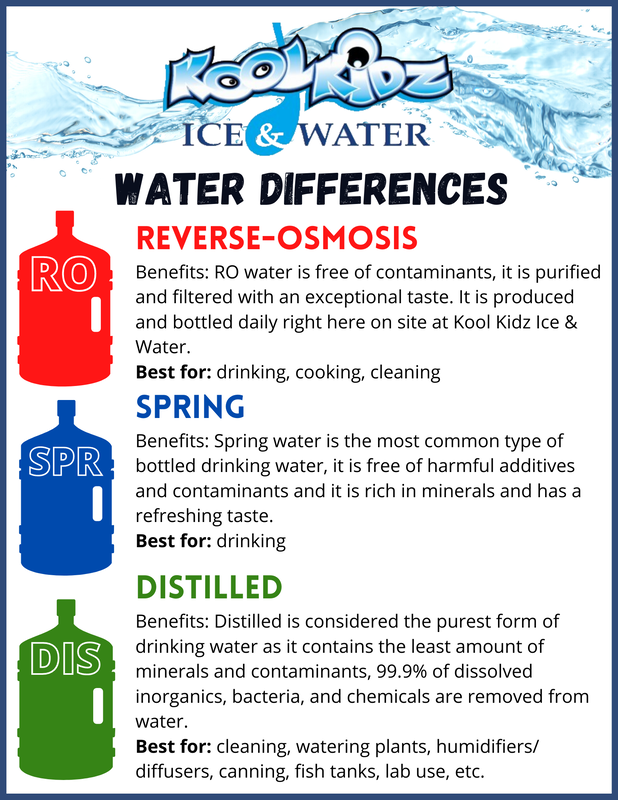
Credit: www.koolkidzice.com

What is Spring Water?

Spring water comes from natural springs. It flows from the ground. It is clean and fresh. It is pure. It has no chemicals or dirt. Many people like spring water. It is tasty. It is safe to drink.

Why Use Spring Water?

Spring water is better than tap water. Tap water comes from pipes. It has chemicals. It has chlorine. Sometimes, it tastes bad. Spring water is pure. It has no chemicals. It tastes good.

Using spring water for cooking is smart. It makes food taste great. It keeps food pure. No bad chemicals. No bad taste.

Spring Water for Healthy Cooking: Elevate Your Meals

Credit: www.vecteezy.com

Benefits of Spring Water for Cooking

Spring water has many benefits. Let's look at them.

  • Better Taste: Spring water tastes good. It makes food taste better. No chlorine taste. No chemical taste.
  • Purity: Spring water is clean. It has no dirt. It has no germs. It keeps food pure.
  • Healthy Minerals: Spring water has minerals. Minerals are good for health. They help bones. They help teeth.

Tap Water Vs. Spring Water

Tap water can have bad things. It can have chlorine. It can have lead. These are bad for health. They can make food taste bad.

Tap Water Spring Water
Has chlorine No chlorine
May have lead No lead
Can taste bad Tastes good

How to Use Spring Water in Cooking

Using spring water is easy. You can use it for many things. Here are some ideas.

  • Boiling Vegetables: Use spring water to boil veggies. It keeps them fresh. It keeps them tasty.
  • Making Soups: Spring water makes soups tasty. It keeps them pure.
  • Cooking Pasta: Boil pasta in spring water. It tastes better.
  • Brewing Tea: Use spring water for tea. It makes tea taste good.

Tips for Using Spring Water

Here are some tips. They help you use spring water well.

  • Buy Fresh: Get fresh spring water. Check the label. Make sure it is pure.
  • Store Well: Keep spring water cool. Keep it away from sunlight.
  • Use for Drinking: Drink spring water. It is healthy.

Frequently Asked Questions

Why Choose Spring Water For Cooking?

Spring water is purer than tap water. It enhances food flavor and reduces contamination risks.

Does Spring Water Improve Food Taste?

Yes, spring water's purity elevates natural flavors in dishes. It's ideal for healthy cooking.

Is Spring Water Safer Than Tap Water?

Spring water contains fewer contaminants than tap water. It offers a healthier cooking option.

How Does Spring Water Affect Nutrients?

Spring water preserves essential nutrients during cooking. It supports healthier meals and better nutrition.

Conclusion

Spring water is great for cooking. It makes food taste better. It makes food healthier. It is pure. It has no chemicals. It is safe. Try using spring water. You will see the difference. Your food will be tasty. Your food will be healthy.

Spring water is a simple choice. It is a smart choice. Make your meals the best. Use spring water. Enjoy healthy cooking.

Saturday, June 28, 2025

From Beginners to Beasts: Navigating Your Fitness Journey

Imagine walking into the gym for the first time, facing a sea of equipment that looks more like medieval torture devices than tools for health. That's exactly how Jamie felt when starting her fitness journey. After sticking to compound exercises for what felt like an eternity, she started to wonder—when is it time to shift gears? This post delves into that very question and more, offering insights that can turn tears of confusion into triumphs of clarity.

The Power of Compound Exercises: How Long is Long Enough?

Understanding Compound Exercises

Compound exercises are like the Swiss Army knives of strength training. They work multiple muscle groups at once. Think of them as a functional way to build overall strength and coordination. For beginners, it’s crucial to grasp their importance.

When someone does a squat or a deadlift, they aren’t just targeting one muscle. These exercises engage the legs, back, and core all at the same time. That’s why they’re recommended for anyone looking to establish a solid workout foundation.

How Long Should Beginners Stick to Compound Exercises?

For beginners, the golden rule is to stick with compound exercises for about 6-8 weeks. This timeframe allows the body to adapt and learn the correct techniques. It’s like building a house; you need a strong foundation before you start adding details.

In Jamie's case, they committed to squats and deadlifts during this initial phase. Jamie found that sticking to these exercises helped them develop proper form. Over those weeks, Jamie noticed improvements not just in strength but also in overall confidence.

The Importance of the Initial Phase

The initial phase is vital. Newcomers need to focus on form and understanding movements. Rushing into advanced techniques can lead to injuries. Remember, it’s not about lifting the heaviest weights right away. It’s about doing it safely.

Moreover, this phase prepares the body for more specialized workouts down the line. Once a beginner feels comfortable, they may start to incorporate isolation exercises. But until then, compound movements should remain the focus.

"Compound exercises are the cornerstone of any good training program." - Fitness Expert

Final Thoughts

Sticking to a regimen of compound exercises built a strong base for Jamie and many like them. Each rep and set was an investment in their fitness journey. After 6-8 weeks, they could confidently transition into more complex routines.


2. Transitioning from Full-Body Workouts: Timing Your Shift

When someone embarks on their fitness journey, full-body workouts are a great starting point. Most experts recommend sticking to these routines for about 8-12 weeks. But why this specific timeline? The answer lies in your body’s adaptation to the exercises. During this period, an individual builds essential strength across all major muscle groups.

The Factors at Play

Before making the leap to more focused training, it’s crucial to consider several factors:

  • Personal Progress: Has your strength improved? Are you lifting more than when you started?
  • Recovery: How well does your body bounce back from workouts? Frequent soreness? It might be too early for a transition.
  • Goals: What are you aiming for? Gaining muscle mass? Improving endurance?

Each person's journey is unique. Some may feel ready after 8 weeks, while others might need a full 12 or even longer. The key is to listen to yourself.

The Transition Example

Let’s say they’ve been doing full-body workouts for 10 weeks. During this time, they've noticed significant gains. They find their routines increasingly easier. This could be a signal—perhaps it's time for a change! Transitioning to split workouts could look like this:

  1. Focus on upper body one day, lower body the next.
  2. Incorporate compound lifts on split days for muscle synergy.
  3. Continue to mix in some full-body days as needed.

After all, the transition should never feel rushed. As one personal trainer aptly puts it,

“The transition should never feel rushed; listen to your body.”

Monitoring Your Progress

As someone transitions to split training, it’s imperative to monitor performance regularly. Are they progressing? Are they recovering properly? Failing to track these metrics can lead to burnout or even injury.

Ultimately, sticking to full-body routines for 8-12 weeks yields significant benefits but varies from person to person. Following this guideline sets a solid foundation before focusing on specific muscles, allowing for thoughtful and effective transitions.


3. Signs You’re Ready for Split Training

Determining when to transition to split training can be tricky. It's not just about lifting heavier weights. It's about knowing your body and its cues. Here are some signs indicating you might be ready to make that shift.

1. Consistent Progress

If you’ve noticed a steady increase in your strength or endurance over the past few weeks, that’s a good indication you're ready for a new challenge. Progress is the name of the game. But what happens when that progress stalls? If your lifts aren’t improving or you’re not gaining any more endurance, it might be time to reassess.

2. Boredom with Routines

Boredom can be a silent killer for motivation. If she finds herself yawning through workouts or skipping sessions, that’s a red flag. Mixing things up with split training could reignite that spark. Why stick with routines that no longer excite you? After all, fitness should be enjoyable, not a chore.

3. Recovery Times

Have you noticed longer recovery times between workouts? If lifting the same weights feels like a struggle, it’s worth considering a split routine. Split training allows for targeted muscle recovery. This way, some muscle groups can rest while others are being challenged. It’s a balance!

4. Jamie's Realization

Take Jamie, for example. She was feeling unmotivated and noticed she was hitting a plateau. She was lifting the same weights week after week with no progress. Finally, she decided to try split training, and it transformed her workouts. Plateaus can be a sign that it's time for a change.

5. Psychological Readiness

Are you excited about trying something new? This mental aspect is crucial. If they are looking forward to new challenges, that’s a solid indicator of readiness. It’s often said that “change is necessary for growth in fitness, just as in life.” The mind should be just as invested as the body.

Final Thoughts

  • Identifying these signs can prevent stagnation.
  • Not everyone will be ready at the same time, and that’s perfectly fine!

If you resonate with any of these signs, it might be time to explore split training. Remember, the journey of fitness is personal. Take the leap when you feel ready!


4. Common Misconceptions about Weightlifting Progressions

Weightlifting can be confusing, especially for beginners. Many jump into the gym with a bunch of beliefs that could hurt their progress. Let's tackle some of these common misconceptions.

1. Myth: More is Always Better

People often think that lifting heavier weights or doing more exercises leads to quicker gains. This isn’t necessarily true. Quality beats quantity. Overdoing it can lead to injuries. It’s a long-term game, not a sprint.

  • Slow Growth: Progress takes time.
  • Injury Risk: Pushing too hard can sideline a novice.

Why risk your journey with the idea that more equates to better? A balanced approach is more effective.

2. Prioritizing Isolation Exercises Too Early

Another common mistake is focusing on isolation exercises before mastering compound movements. Isolation exercises target specific muscles. They seem appealing. However, without a solid foundation in compound lifts, individuals may miss essential strength gains.

  • Compound Lifts: These involve multiple joints and muscle groups.
  • Foundation First: Build strength with squats, deadlifts, and bench presses before diving into curls and tricep extensions.

Compound exercises also help ward off injuries. They prepare the body to handle heavier loads safely.

3. Jamie’s Approach: A Slow and Steady Progression

Take Jamie’s approach. Instead of rushing, they adopted a slow and steady progression. This method emphasizes gradual increases in weight and complexity. It’s not a race, after all!

Jamie understood that lifting smart is the key to longevity in lifting. As a certified trainer once stated,

“It’s not just about lifting heavy; it’s about lifting smart.”

This mindset fosters sustainable growth without the risk of overtraining.

As beginners navigate their fitness journeys, breaking down these myths can ease their path. Understanding the value of compound exercises and the importance of a balanced training regimen can make all the difference.


5. Crafting Your Personalized Workout Plan

Creating a workout plan isn't just about lifting weights or burning calories. It's about finding a routine that works for you. Everyone’s fitness journey is unique. Some thrive on compound exercises, while others might prefer full-body routines or split training. But how do you create that perfect plan?

1. Incorporate Compound Exercises

Compound exercises engage multiple muscle groups at once. Think squats, deadlifts, or push-ups. These movements are efficient. They can help beginners build strength quickly. For instance, beginners should focus on these exercises for the first 4 to 6 weeks. Why? Because they provide a strong foundation.

2. Full-Body Routines

After mastering compound movements, full-body routines can be beneficial. These workouts tend to include both compound and isolation exercises. A good time frame to stay on this regimen is about 8 weeks. Then, when you feel ready, you can shift focus to building strength in specific muscle groups.

3. Split Training

Once the body adapts, split training can be introduced. This method targets specific muscle groups on different days. For example, arms one day, legs the next. This approach allows for more recovery time. Signs you're ready include strength plateaus or a desire to increase muscle definition.

Sample Timeline for Beginners

Month Focus
1 Compound Exercises
2 Full-Body Routines
3 Full-Body Adaptation
4 Split Training Introduction

To illustrate, Jamie began her fitness journey focusing on basic compound lifts. Over time, she advanced to more complex routines, adapting as she grew stronger. This kind of evolution in workout plans showcases that personalization is key.

"The best workout plan is one that suits your lifestyle and goals." - Fitness Nutritionist

In conclusion, when crafting your personalized workout plan, consider your preferences and goals. Incorporate compound exercises and full-body routines, then transition to split training based on your progress. Every fitness journey is distinct. Adaptation is crucial. Follow a structured timeline, and remember Jamie's experience as inspiration.

Each step you take should drive you towards a healthier lifestyle, one that resonates with who you are. Keep pushing forward.

TL;DR: Discover how long to stick with compound exercises, the timeline for full-body workouts, and the signs that you're ready to move onto split training for a better fitness experience.

Topical Hair Loss Treatment: Effective Natural Solutions for Thicker Hair

Topical hair loss treatments offer a direct way to improve hair health and reduce thinning. These product...